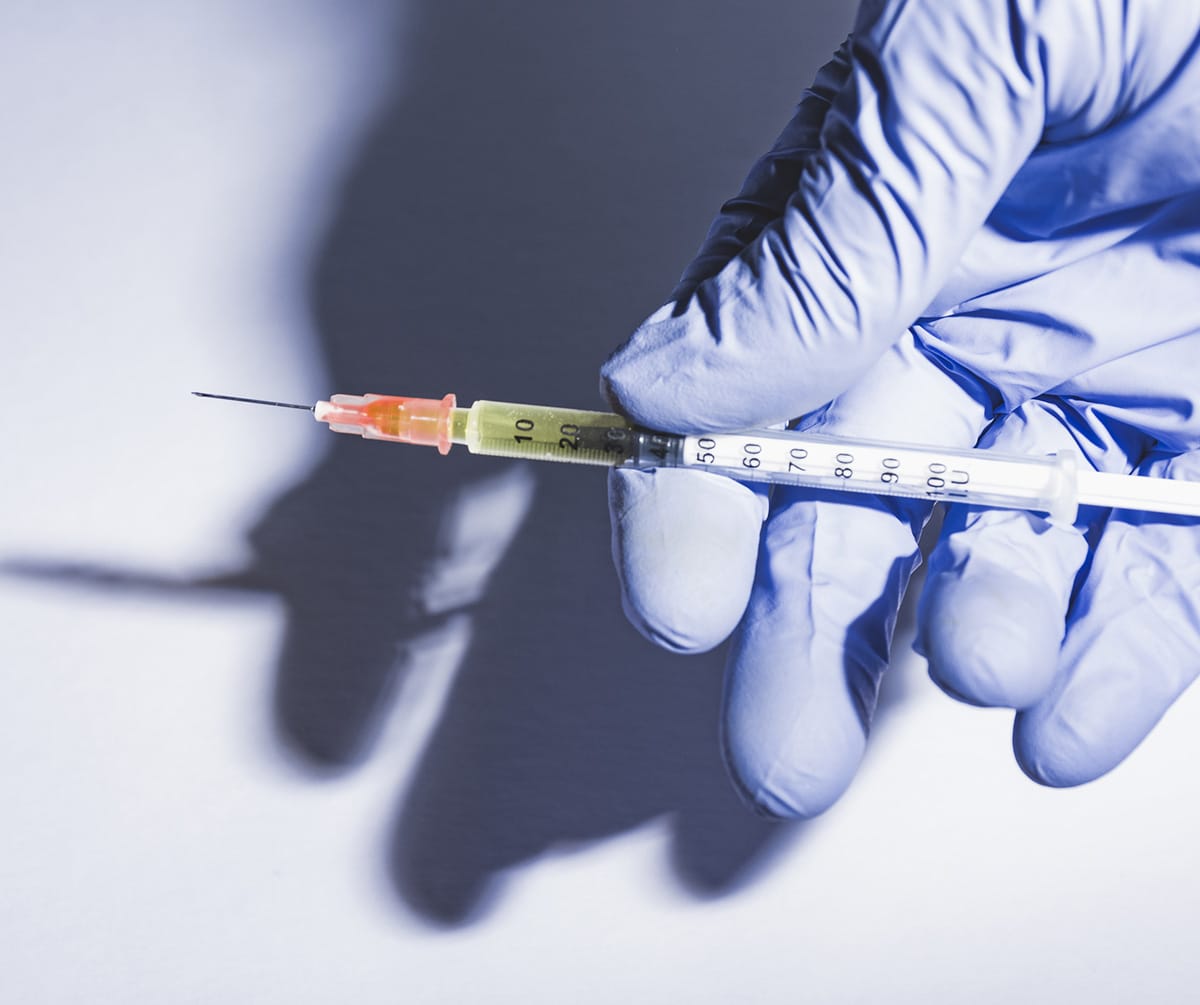
In aesthetic medicine, we often focus on precision and facial anatomy. But there is one tool that quietly determines how long you can sustain your career: your hands.
As a dermatologist and injector, I’ve learned that longevity in this field is not only about mastering technique, it is also about protecting the structures that make that technique possible. Whether you are performing neuromodulators, fillers, or other injectables, repetitive fine motor work places continuous strain on the hands, especially the thumb. Over time, that strain adds up.
Why Injector Hand Strain Is So Common
Most injectors are trained to focus on the needle tip and patient outcome. Very few are taught how to protect their own biomechanics. The thumb is particularly vulnerable. When you repeatedly push the syringe plunger using only the tip of your thumb, you overload small joints and ligaments that were never designed for that kind of repetitive force.
This is one of the most overlooked principles in aesthetic injector training, yet it directly impacts both performance and career longevity. In fact, proper aesthetic injector training should always include ergonomics as a core pillar, not an afterthought.
Without proper mechanics, fatigue, inflammation, and repetitive strain injuries become increasingly common. I often remind younger injectors: your technique must protect your patient, but it must also protect you.
The Most Important Shift: Where Your Force Comes From
One of the simplest but most important adjustments I teach in cosmetic injector training is this:
Stop pushing from the tip of your thumb.
Instead, anchor the syringe plunger at the base of your thumb.
This changes the entire mechanics of injection. By engaging the base of the thumb, you activate stronger, more stable muscle groups and reduce stress on smaller joints. The result is better control, improved ergonomics, and significantly less fatigue during long procedures.
This is a foundational principle because it directly influences both safety and longevity in practice. It is a small shift in positioning, but a major shift in long-term hand preservation.
The Hidden Cost Of Poor Ergonomics
Many experienced injectors only recognize the importance of ergonomics after they develop pain or require medical intervention. Thumb joint strain, tendon inflammation, and repetitive stress injuries are not uncommon in this field.
Because aesthetic medicine requires precision, even mild discomfort can affect technique quality. This is why structured training should always include ergonomics.
Longevity in Aesthetics Is an Ergonomic Skill
The best injectors are not only skilled but also sustainable. They work full days without pain. They protect their hands as carefully as they protect their patients’ outcomes. And this begins with something as simple as where your thumb sits on a syringe plunger.
Technique is not just about aesthetics; it is about longevity.
If there is one takeaway, it is this: protect your hands as intentionally as you develop your skill. Because in aesthetic medicine, your hands are not just part of your practice, they are your practice.


Posted In: Tips & Tricks
Related Posts

March 9, 2026
Lash Serum Side Effects: A Mistake I Regret
If there is one category of skincare product I truly regret using, it is lash-enhancing serums. I did not start using...

April 20, 2023
Hair Loss Treatments That Work
Hair loss is one of the top reasons patients come to our practice. The good news: hair loss is treatable in both men and...
May 24, 2019
Read This Before Getting Gel Nails Done
Once touted as a great alternative to acrylic nails, gel nails are just as damaging to the nail bed and surrounding sk...