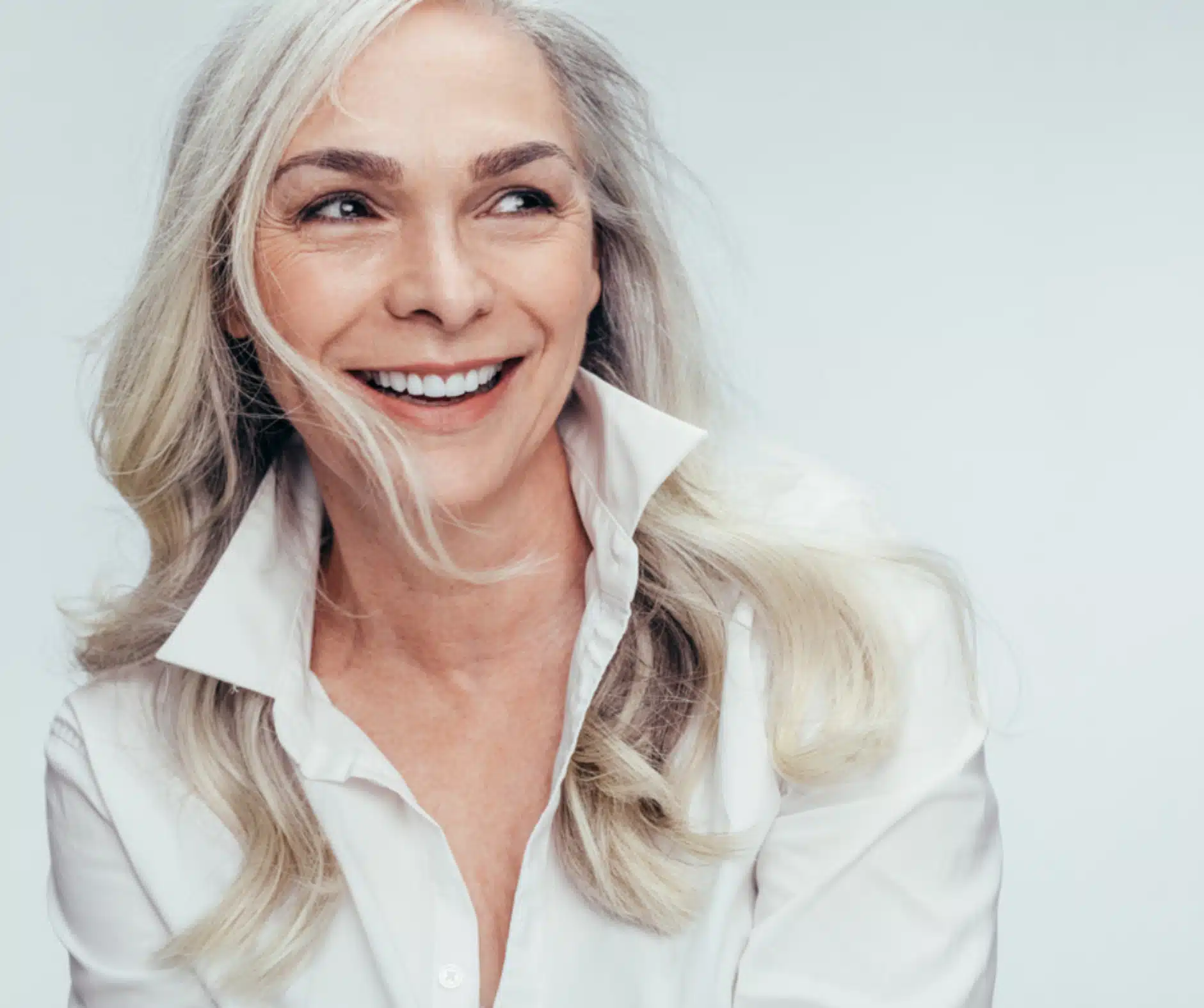
I have a funny saying, although it is not particularly funny: from the day you are born, it is a relentless march toward death. There is nothing you can do to prevent aging. It is a natural biological process, and no skincare product, procedure, or supplement will stop it. But that does not mean you have no influence over how your skin ages.
When patients ask me about aging, I like to explain that there are two distinct processes at work: intrinsic and extrinsic aging. Understanding the difference is important because, while one is largely beyond our control, the other is influenced by factors we can actually do something about.
What Is Intrinsic Aging?
Intrinsic aging is the natural aging process that happens to everyone, regardless of lifestyle or skincare habits. It is influenced largely by genetics, hormonal changes, and the gradual changes that occur within our cells as we get older.
Think of it this way: even if you spent your entire life indoors, away from the sun and environmental pollutants, your skin would still age.
As we get older, our bodies gradually produce less collagen and elastin. These are the proteins responsible for keeping skin firm, flexible, and supported. Their gradual decline, along with changes in the skin’s ability to retain moisture and repair itself, contributes to visible signs of aging. You may begin to notice:
- Fine lines and wrinkles
- Thinner, drier skin
- Reduced firmness and elasticity
- Skin laxity, particularly around the face and neck
- Changes in skin texture
Hormonal changes, particularly during perimenopause and menopause, can also influence skin thickness, hydration, and collagen levels.
These changes are a normal part of getting older. They are not necessarily a sign that you have neglected your skin or done something wrong.
What Is Extrinsic Aging?
Extrinsic aging is different. It refers to changes in the skin caused by external factors, many of which are within our control.
The biggest contributor is ultraviolet (UV) radiation from sun exposure. I cannot emphasize enough how much cumulative sun exposure affects the skin over time. Even when you do not burn, repeated exposure contributes to damage that gradually becomes visible.
Other contributing factors include:
- Smoking: Tobacco smoke increases oxidative stress and contributes to collagen breakdown, premature wrinkles, and a duller complexion
- Environmental pollution: Exposure to pollutants can contribute to oxidative stress and damage to skin cells
- Lifestyle factors: Poor nutrition, inadequate sleep, and chronic stress can affect overall skin health and its ability to maintain normal function
We cannot undo every exposure, but we can reduce the damage that accumulates over time.
Intrinsic and Extrinsic Aging: How Are They Different?
Both processes happen at the same time, which is why two people of the same age can have very different-looking skin. Genetics, hormonal changes, sun exposure, and lifestyle all contribute to those differences.
Someone who has spent decades outdoors without adequate sun protection may develop more pronounced wrinkles, uneven pigmentation, and rough skin texture than someone who has consistently protected their skin.
There is also a more serious consideration. Excessive UV exposure does not just affect how your skin looks. It contributes to precancerous changes and increases the risk of skin cancer.
This is why I always distinguish between looking younger and maintaining healthy skin. They are not necessarily the same thing.
What Can You Actually Do to Slow Extrinsic Aging?
The good news is that small, consistent habits make a difference. I am a firm believer that less is more, provided you are using the right products.There are three things I consider particularly important.
1. Wear Sunscreen Every Day
This is non-negotiable. A broad-spectrum sunscreen protects against UVA and UVB radiation, both of which contribute to skin damage. Apply it daily, not just when you are going to the beach or spending hours outdoors. Reapplication is important, particularly when you are outside.
2. Use Scientifically Proven Skincare Ingredients
Topical retinoids are among the best-studied ingredients for improving the appearance of sun-damaged skin. They help stimulate collagen production, improve skin texture, and reduce the appearance of fine lines and uneven pigmentation.
Antioxidants, such as vitamin C, can also help protect against oxidative stress. The important thing is to choose products with evidence behind them rather than buying something simply because it is trending.
3. Avoid Habits That Accelerate Skin Damage
If you smoke, stopping is one of the best things you can do for your overall health and your skin. Pay attention to nutrition, sleep, and other lifestyle factors that support healthy skin function.
You do not need 20 different serums, creams, and treatments. You need a routine that serves a purpose and that you can maintain consistently.
Should You Try to Reverse the Signs of Aging?
This is where I think we need to be realistic. We can improve certain aspects of skin aging, but we cannot turn back the biological clock.
Cosmetic dermatology offers treatments that can address specific concerns, including wrinkles, pigmentation, skin texture, and loss of firmness. However, the right approach depends on your skin, your concerns, and what you hope to achieve.
I am not an advocate of adopting every new technology or treatment that comes onto the market. Just because something is new does not mean it works. I prefer treatments with a reasonable scientific basis and results that justify their use.
Instead of asking: “How do I look younger?”
Ask: “How do I keep my skin healthy as I get older?”
The Bottom Line: Focus on How You Age
Understanding the difference between intrinsic and extrinsic aging gives you a better idea of where your efforts are most worthwhile.
Protect your skin every day and use products that actually work. I would much rather see someone with healthy, well-cared-for skin than someone who has spent a fortune chasing every promise of eternal youth.
Aging is inevitable. How you age is where you have some influence.
If you are unsure which changes are part of the natural aging process and which may be related to sun damage or other external factors, contact our office. We can help you understand your skin and determine the most appropriate approach for you.

Posted In: Skin Care
Related Posts
August 13, 2026
Who Should You Really Trust for Skincare Advice?
Every week, there's a new skincare trend making headlines. Three examples always come to mind: Botox for animals, celebr...
August 6, 2026
Why “Mini-Lift” Is a Misleading Term in Plastic Surgery
One of the things I often find myself clarifying for patients is language. In plastic surgery, the words we use matter, ...
June 8, 2026
Importance of a Skin Check and How to Do a Skin Self-Exam
I often remind my patients that their skin is the largest organ they have, and also the one they can actually see ever...